Author Archives: thesweetbeetlife
My voice
“Biotechnology applications around the world have the potential to help farmers grow more food on less land using less precious water to feed an increasing population.”
(To hear more farmers’ voices, check out gmovoices.com)
Suzanne’s Voice
We grow GMO sugar beets, and as a mom of three and grandmother of eight, I’m confident that our sugar is safe…so safe in fact that I serve it and other genetically modified foods to my own family. Like all women, my family’s health is very important to me and I would never feed them anything harmful. By the same token, we would never deliver a product to our customers that wasn’t safe for their families, as well. Unfortunately, misconceptions about biotechnology have overshadowed the truth.
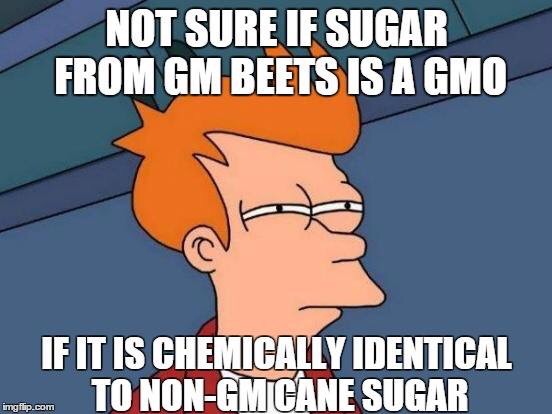
Genetic engineering is a plant breeding method, not an ingredient! Specific desirable traits are selected for things like drought tolerance, disease or insect resistance or herbicide tolerance. Planting GMO seed allows us to use less water, less pesticides and less weed control, whether it be by diesel-powered tractor or by hand labor; all of these are environmental benefits. And it all boils down to the fact that sugar is sugar – GMO beet sugar and non-GMO cane sugar are the same at the molecular level.
So, why the misconceptions? There are many consumers who honestly don’t know where their food comes from. In turn, those folks have fallen prey to the activists and celebrities who spread fear-based propaganda, mostly on social media, which has nothing to do with food safety and everything to do with garnering market share for the products they are selling. Fear is a powerful emotion and it’s much easier to make a snap decision such as “I-should-buy-non-GMO-because-GMO-sounds-like-a-scary-ingredient-that-I-don’t-want”, rather than take time to do research. A bit of research might just pay off in the pocketbook, though, as many products labeled “non-GMO” are priced much higher than their perfectly safe GMO counterparts.
America has always been a leader in innovation, and GMO crops are an example of that “build a better mouse trap” spirit. They have been tested and deemed safe by numerous respected scientific organizations, including the American Medical Association, the European Commission and the WHO. Biotechnology applications around the world have the potential to help farmers grow more food on less land using less precious water to feed an increasing population. Common sense says we should embrace this beneficial technology.
“Sweet Irony..” by Kevin Folta
A very thought-provoking article! I’m honored to have provided a grower perspective.
Just in time for Mother’s Day…more mom-shaming
This billboard went up around the U.S. on Earth Day and will stay through Mother’s Day, effectively tugging at the heartstrings of young families. In this article, Moms Across America’s Zen Honeycutt makes multiple inaccurate and misleading statements. Here, she refers to GMO’s:
“It’s sort of like smoking,” said Honeycutt. “Some have ill health effects, some do not. The difference is that smoking is a choice, but eating isn’t.”
Ms. Honeycutt, I grow Genetically Engineered sugar beets and I find your analogy to be quite a whopper.
First, this plant breeding technology has been deemed safe by many international scientific agencies, including the American Medical Association. Millions of acres of GE crops have been planted worldwide since the mid-1990’s with no ill health effects – not so much as a sniffle. In fact, I feed “GMO’s” to my own children and grandchildren and I assure you they are every bit as healthy as Ms. Honeycutt’s family. Her comparison to tobacco is unsubstantiated and irresponsible.
Second, she is correct that smoking is a choice and we all need to eat. However, we do indeed have a choice when it comes to WHAT we eat; certified organic is available as well as Non-GMO Project, usually at a higher price. But to tout organic as being more healthy and nutritious than conventional or GE is simply untrue. Certified Organic does not mean pesticide-free, and the claim that organic crops are better for the Earth is another untruth. To suggest that families “get better” by eating organic puts unnecessary stress on parents who, like the rest of us, want their children to be healthy but simply don’t have the extra money in their budget.
The wonderful thing about our country is that we get to make choices. To each his or her own! Let parents decide for themselves what’s best for their family without bashing an entire segment of the agriculture industry by making patently false statements. Whether consumers choose to buy organic or not, I would hope their decision is based on facts and not on a mom-shaming billboard.
http://www.agprofessional.com/news/billboards-take-unproven-attack-conventional-agriculture 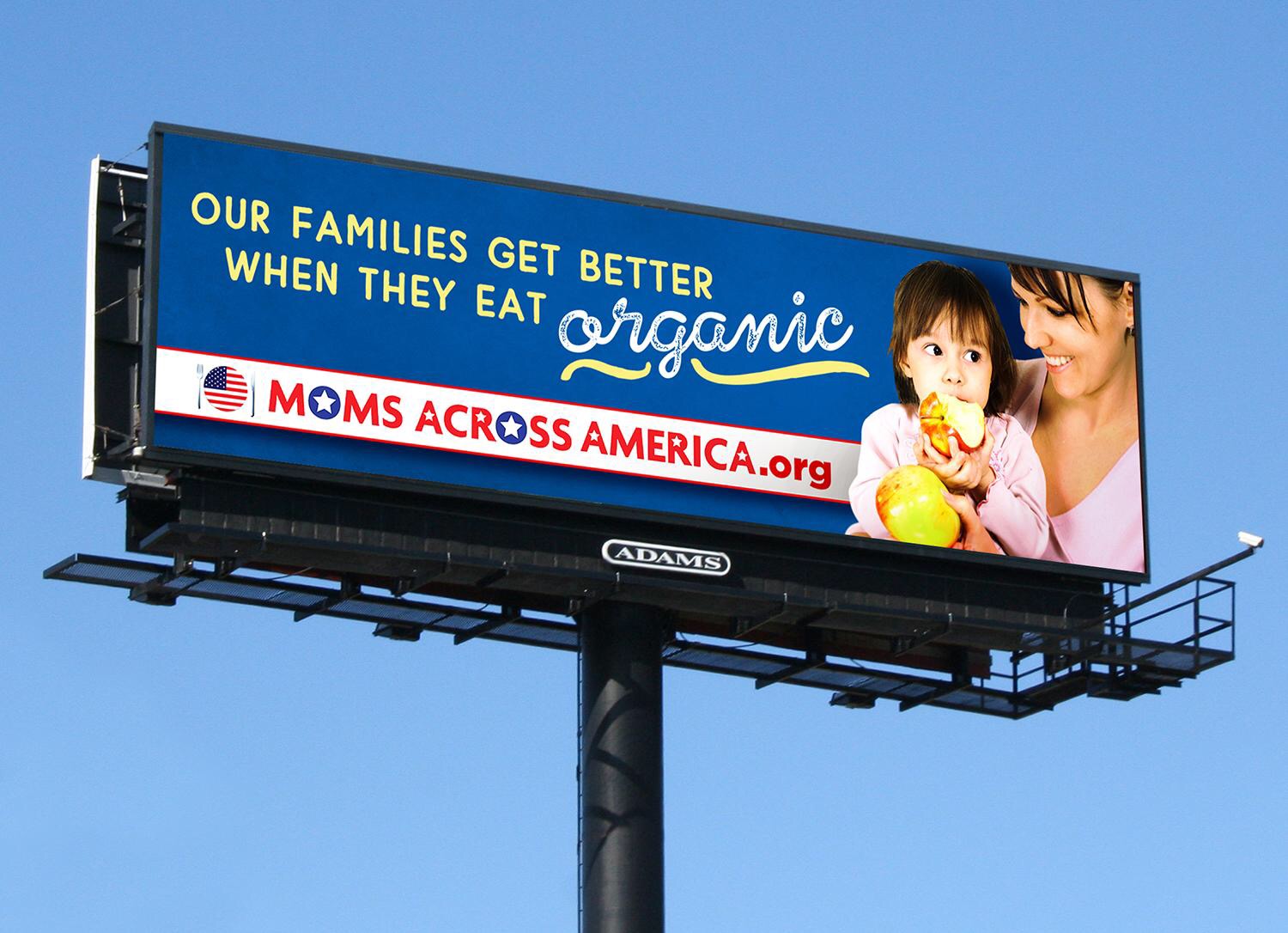
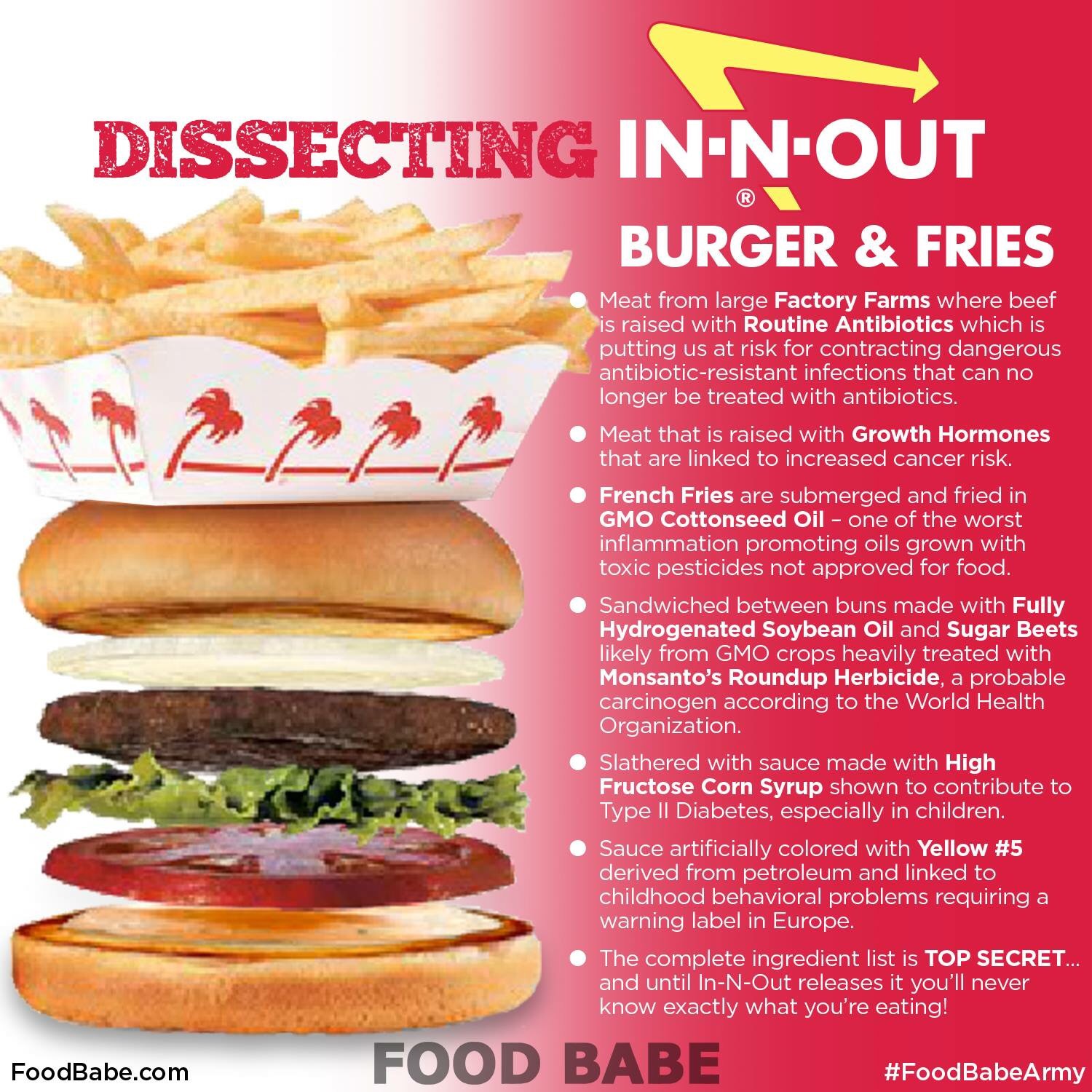
Wonder if there really are “activists” out there, spewing propaganda? I give you Exhibit A: the Food Babe goes off the rails
Lunchtime is the perfect time to bring up In-N-Out! Yum! But this may make you lose your appetite. Here is an example of how the Food Babe,aka Vani Hari, misleads, incites fear and downright lies. Since she fabricates facts specifically about sugar beets, I am compelled to correct her error. Our sugar beets are most definitely not “heavily treated with Monsanto’s Roundup”. We use less than a Starbucks grande-size cup of herbicide PER ACRE. On the subject of carcinogens, Roundup is pretty much equivalent to coffee as being a “probable carcinogen”. As for her comment that their sauce contributes to Type 2 Diabetes “especially in children” (again, fear-mongering), the amount of sauce on an occasional double-double will not solely make you diabetic. Everything in moderation! And because of her concern for diabetics, Food Babe would be horrified to learn that insulin is genetically engineered.
So you see, this is a snapshot of what floats around on the interwebs every day. False claims and statements made by people who obviously have no interest in the truth because they don’t bother to ask a farmer, that are devoured hook, line and sinker by impressionable, frightened folks who have no idea where food comes from. Call these activists what you will: crazies, hippies, nut cases – maybe. But by having financial support from special interest groups, one thing they surely are is effective. Agriculture, on the other hand, is supported by science and farmers need to use that science to calm the fears and get the truth out there.
 thesweetbeetlife.com