“Biotechnology applications around the world have the potential to help farmers grow more food on less land using less precious water to feed an increasing population.”
(To hear more farmers’ voices, check out gmovoices.com)
Suzanne’s Voice
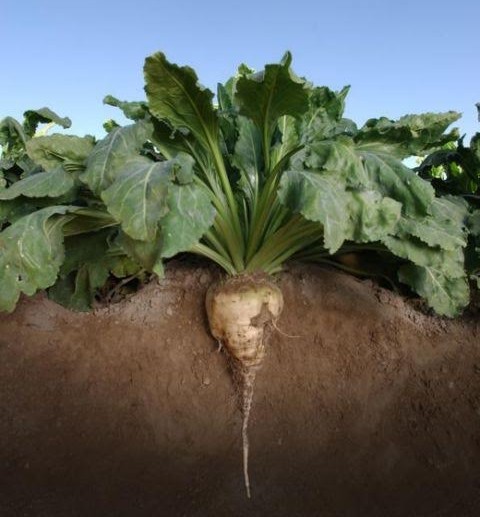
We grow GMO sugar beets, and as a mom of three and grandmother of eight, I’m confident that our sugar is safe…so safe in fact that I serve it and other genetically modified foods to my own family. Like all women, my family’s health is very important to me and I would never feed them anything harmful. By the same token, we would never deliver a product to our customers that wasn’t safe for their families, as well. Unfortunately, misconceptions about biotechnology have overshadowed the truth.
Genetic engineering is a plant breeding method, not an ingredient! Specific desirable traits are selected for things like drought tolerance, disease or insect resistance or herbicide tolerance. Planting GMO seed allows us to use less water, less pesticides and less weed control, whether it be by diesel-powered tractor or by hand labor; all of these are environmental benefits. And it all boils down to the fact that sugar is sugar – GMO beet sugar and non-GMO cane sugar are the same at the molecular level.
So, why the misconceptions? There are many consumers who honestly don’t know where their food comes from. In turn, those folks have fallen prey to the activists and celebrities who spread fear-based propaganda, mostly on social media, which has nothing to do with food safety and everything to do with garnering market share for the products they are selling. Fear is a powerful emotion and it’s much easier to make a snap decision such as “I-should-buy-non-GMO-because-GMO-sounds-like-a-scary-ingredient-that-I-don’t-want”, rather than take time to do research. A bit of research might just pay off in the pocketbook, though, as many products labeled “non-GMO” are priced much higher than their perfectly safe GMO counterparts.
America has always been a leader in innovation, and GMO crops are an example of that “build a better mouse trap” spirit. They have been tested and deemed safe by numerous respected scientific organizations, including the American Medical Association, the European Commission and the WHO. Biotechnology applications around the world have the potential to help farmers grow more food on less land using less precious water to feed an increasing population. Common sense says we should embrace this beneficial technology.
 thesweetbeetlife.com